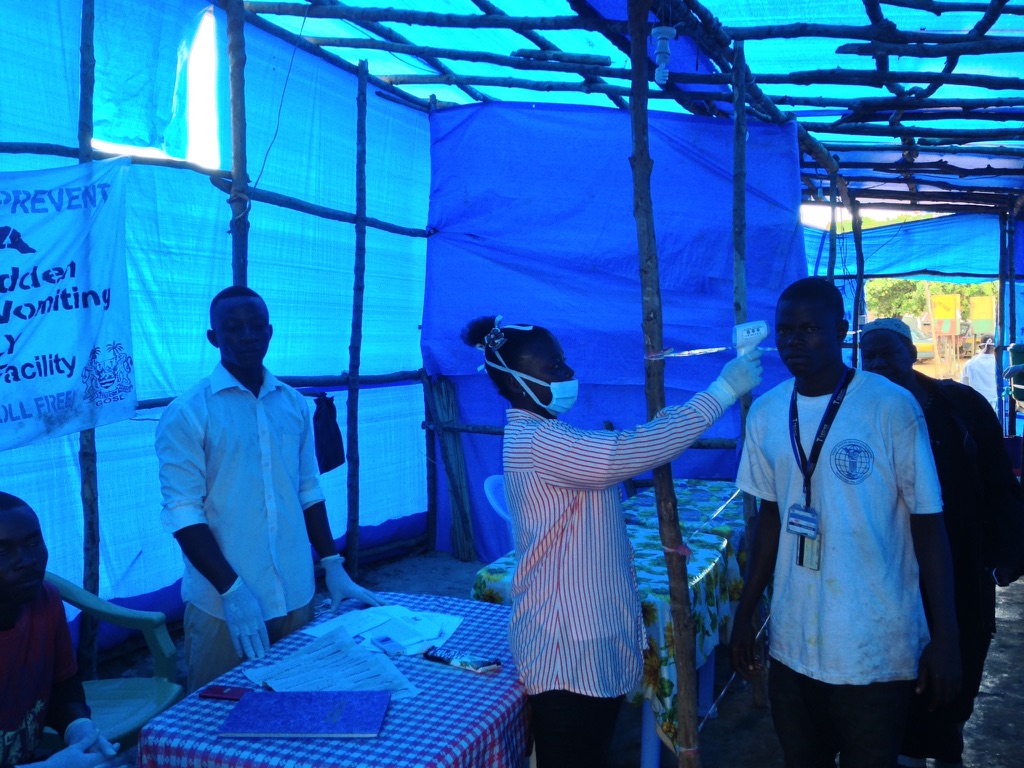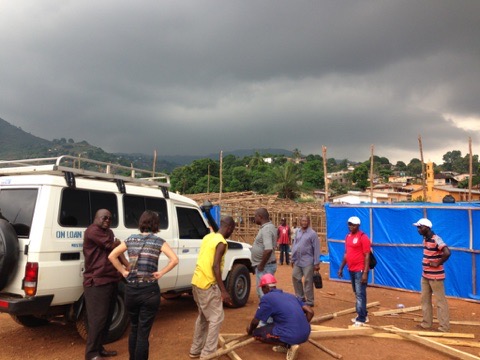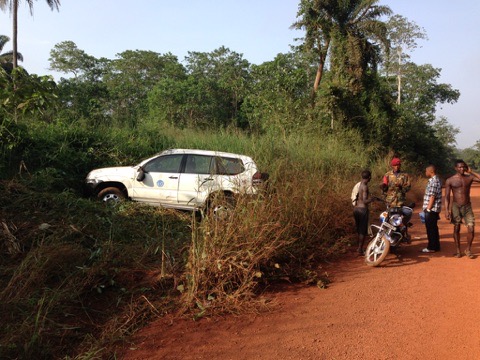
My flight to Brussels departs this evening, on the way to Montreal and Vancouver. I will be very glad to be home again with Lois and the family. The immediate task is not finished, and after “Zero Ebola” it will take a long time for this country to deal with the root causes of the outbreak.
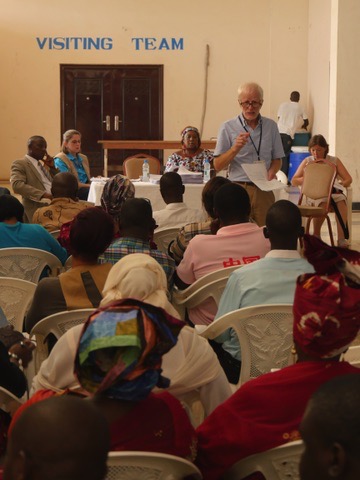
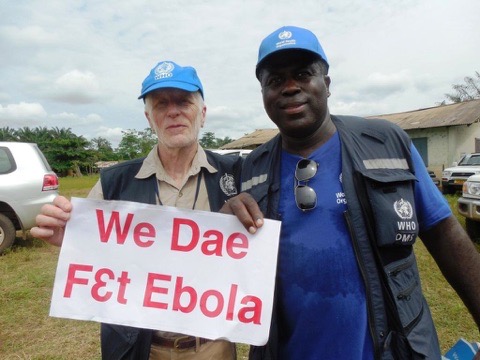
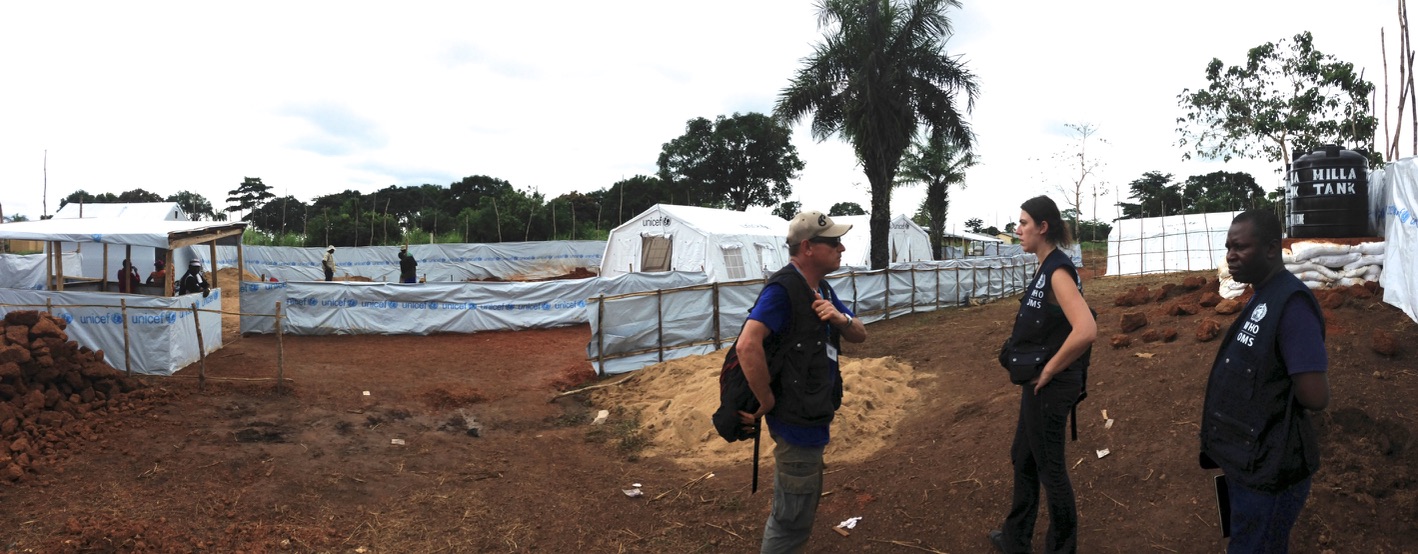
The week was spent reviewing, re-visiting and refining the WHO response. I had the pleasure of orienting a number of new team members deployed from abroad and within the country. There is a lot of impressive talent coming in, which will be needed for a time yet.
I was able to talk to the BC Health Officer’s Council meeting in Victoria on Ebola, via Skype. It worked well and the questions were very thoughtful. I teamed up with a physician who had spent time working for MSF in Sierra Leone as a clinician and is back in Vancouver.



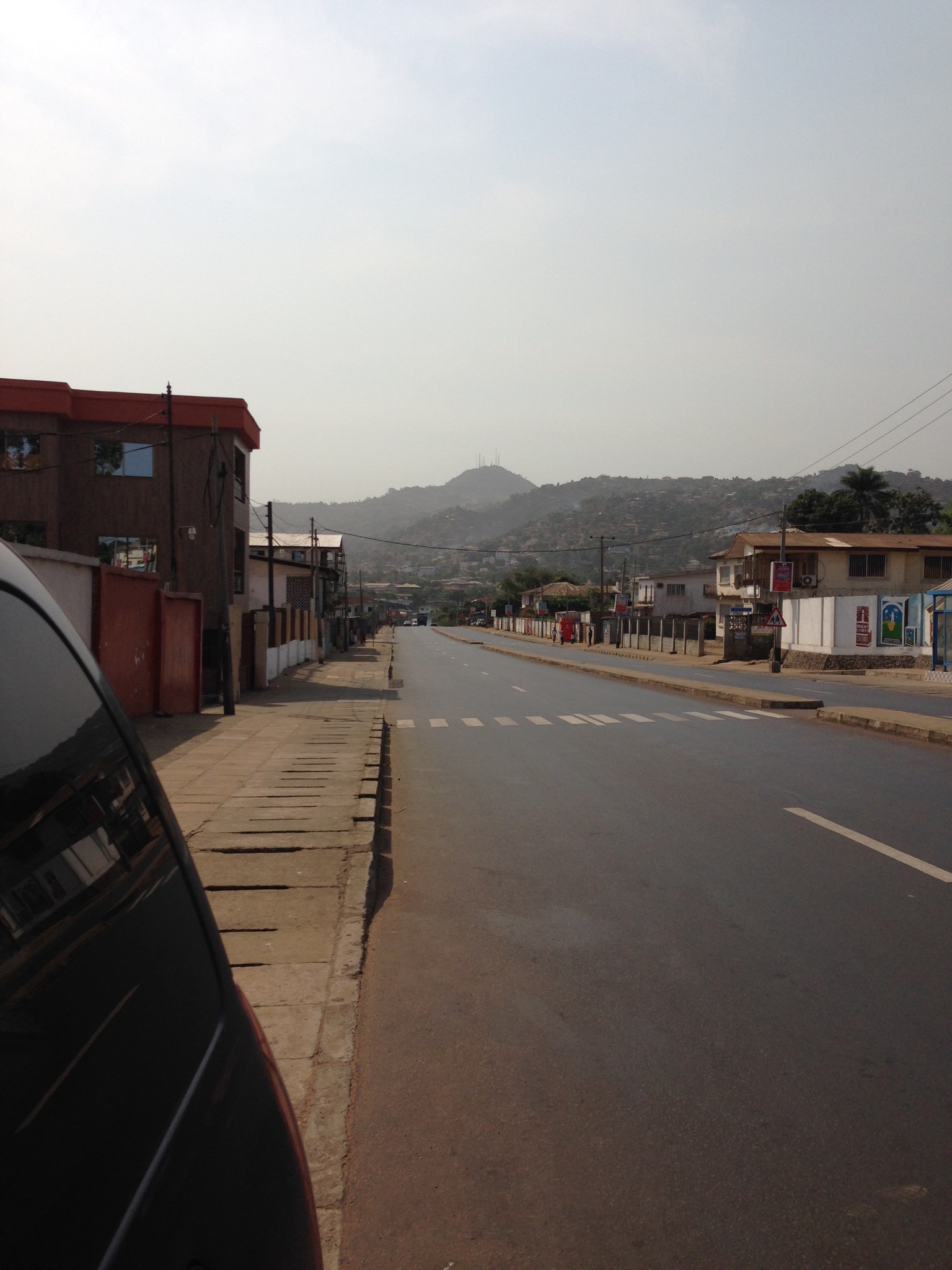
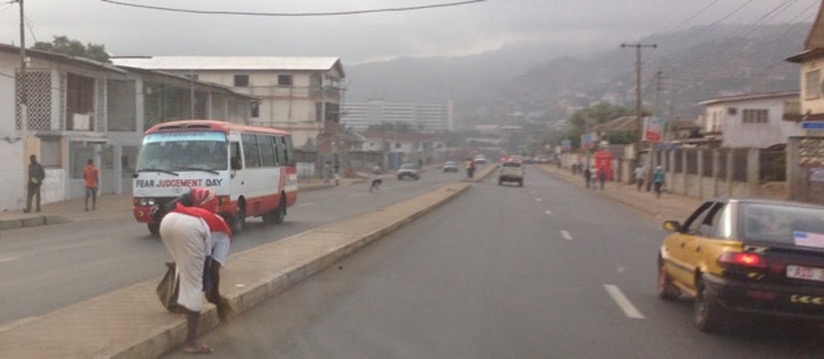
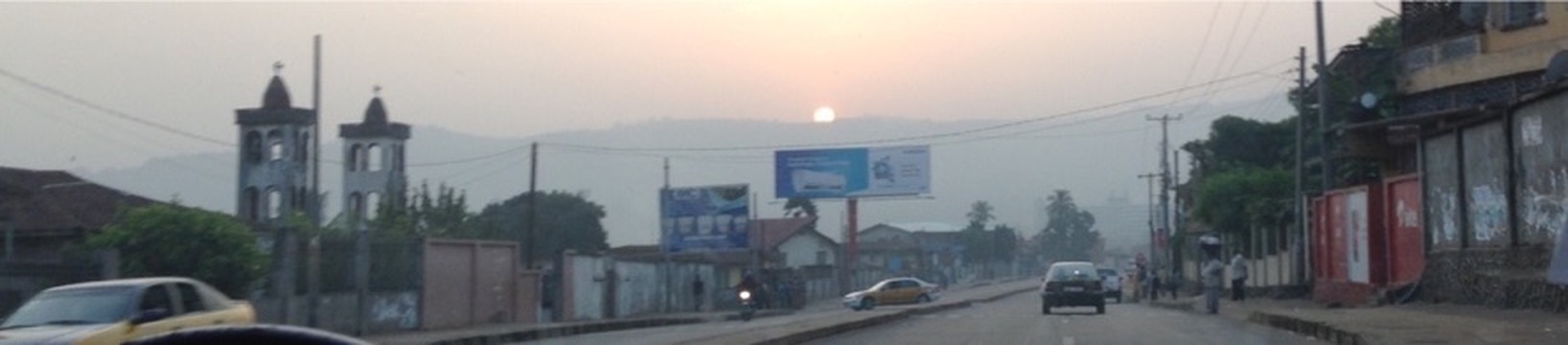
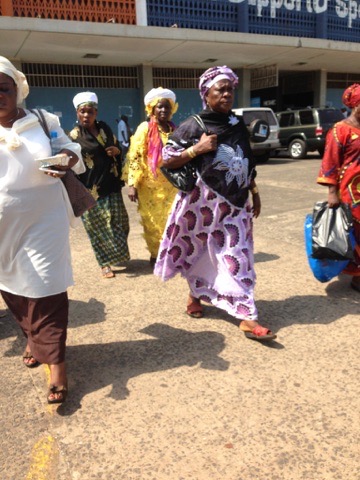
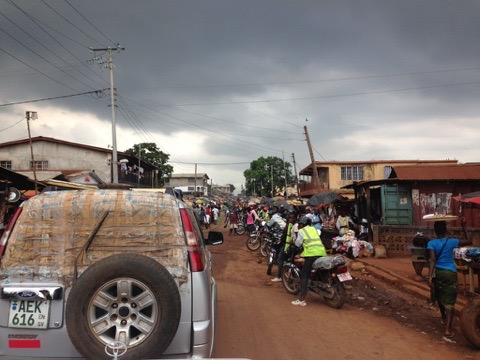
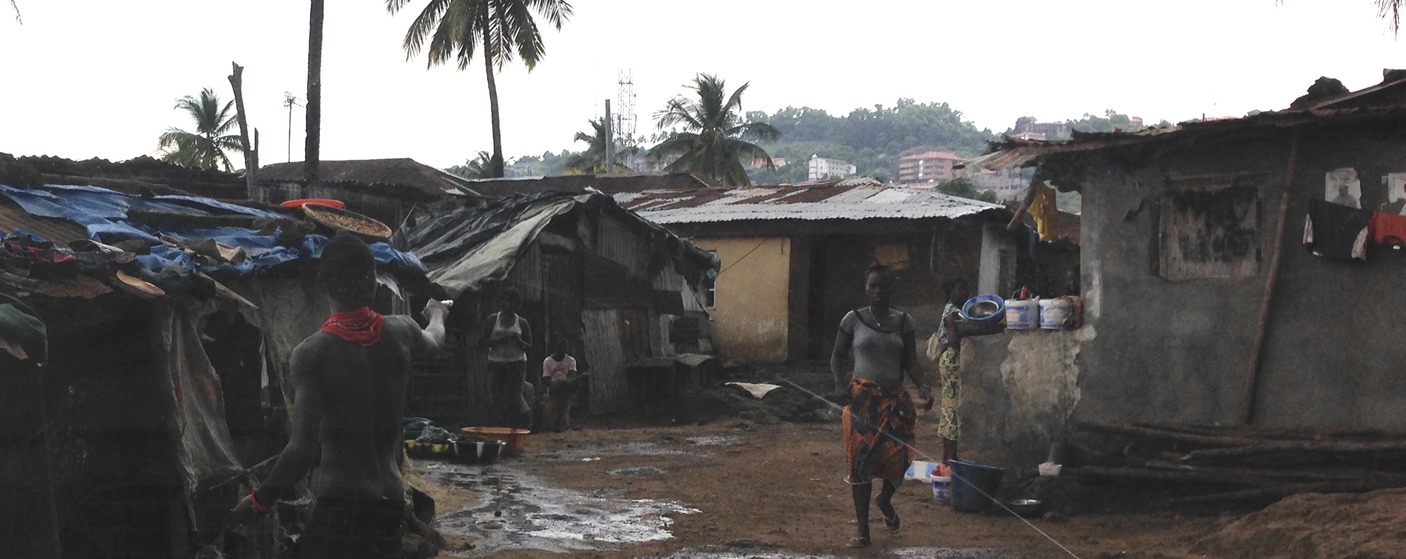
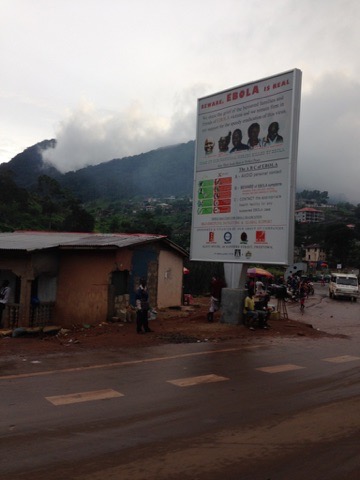
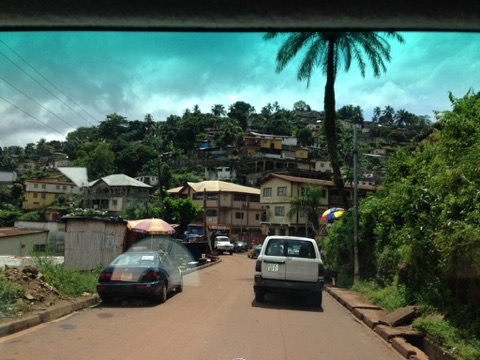
Yesterday three of us went out into the Western Area to observe what was happening during the three day “Stay at Home”. The main streets were eerily quiet with no taxis or minibuses and few pedestrians except for those allowed to be working. In the side streets people were sitting outside of their houses passing the time. The only groups of people were at water and food distribution points.
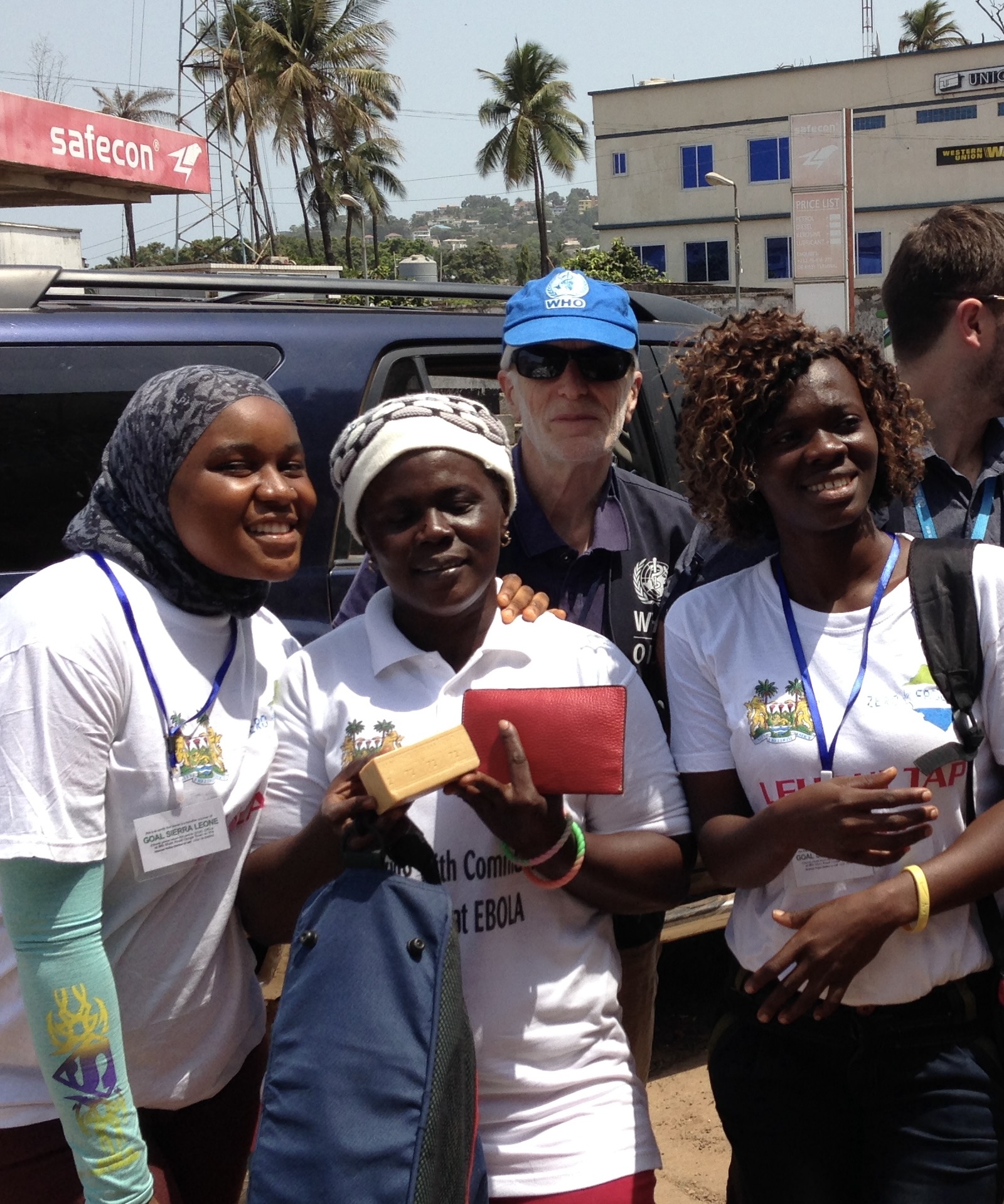
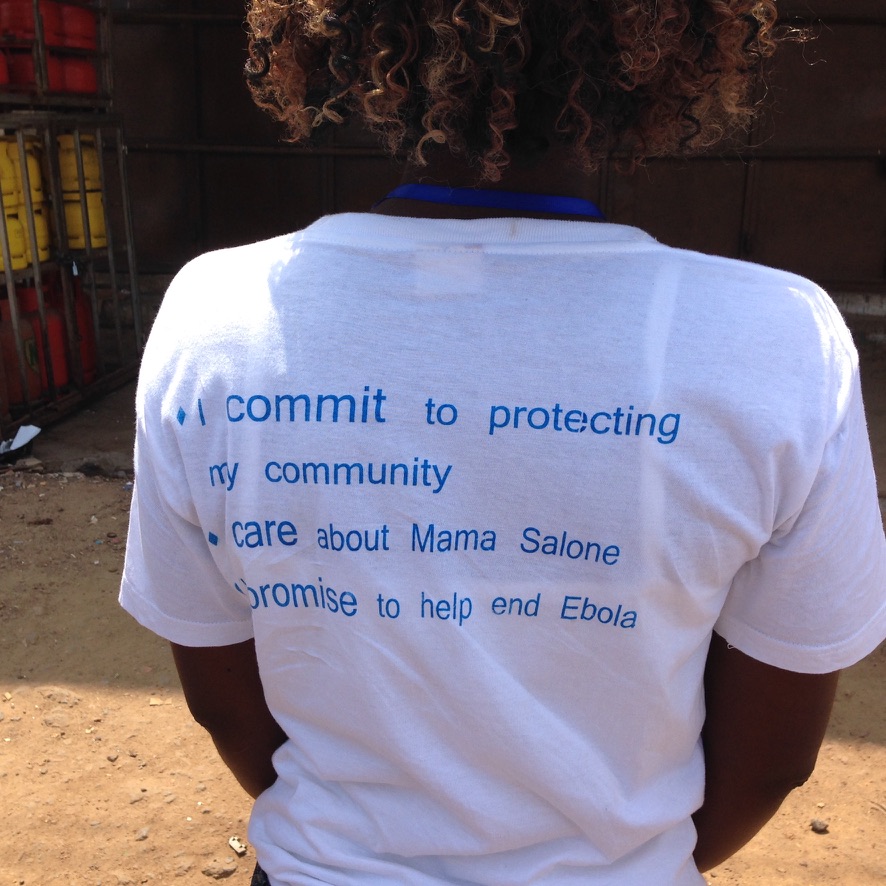
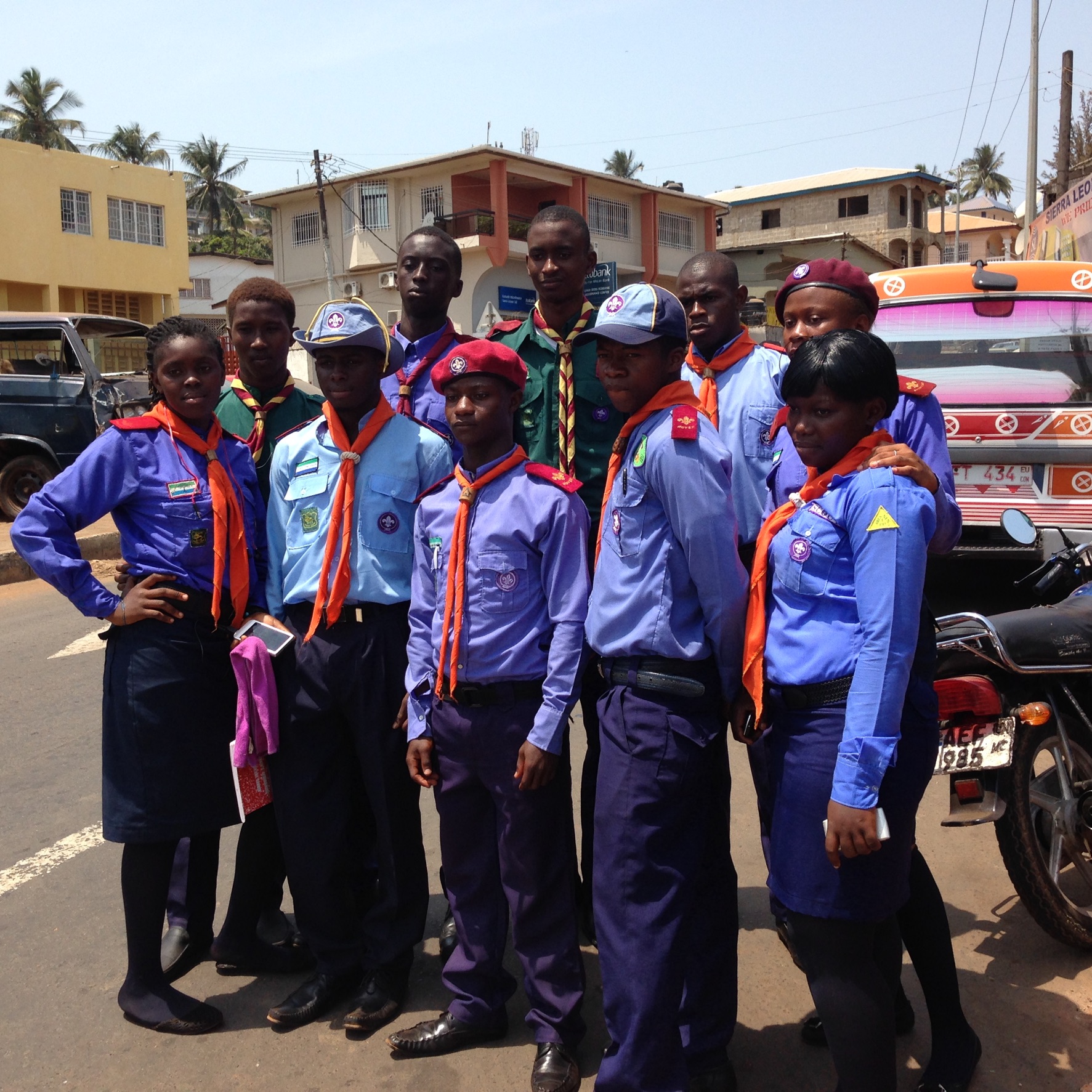
Social mobilization teams were spreading the word as well as distributing soap as a reminder to wash hands (only possible if you have enough water of course). Scouts had been recruited to assist at the police roadblocks. Hopefully the hardship for those who cannot work during the three days is outweighed by the benefits of finding sick people or, at least, ensuring that there are none to be discovered.
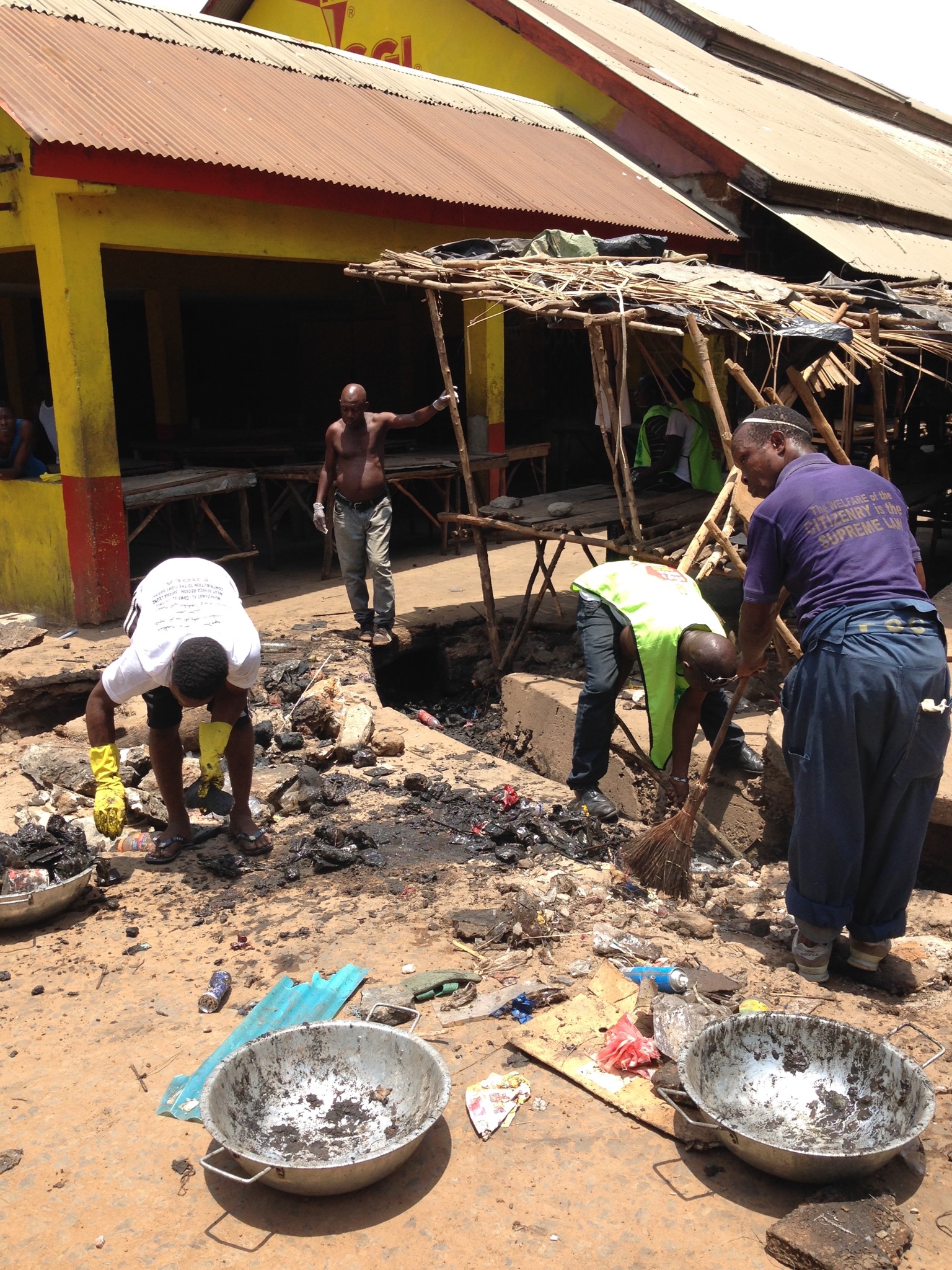
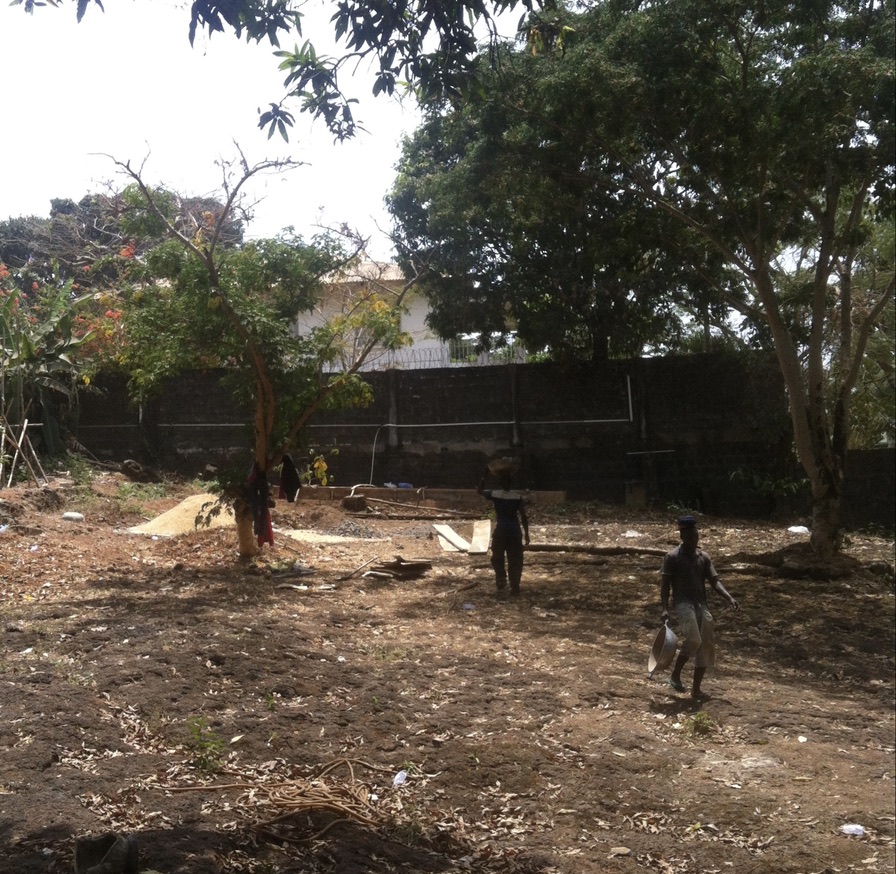
The markets were deserted but we found that the local council was using this as an opportunity to clean out the storm drains before the rainy season. The workers were doing a nasty job out in the heat of the day. I met the Chief Environmental Health Officer for Freetown who was very pleased to hear of my profession and that of my father who was an EHO.
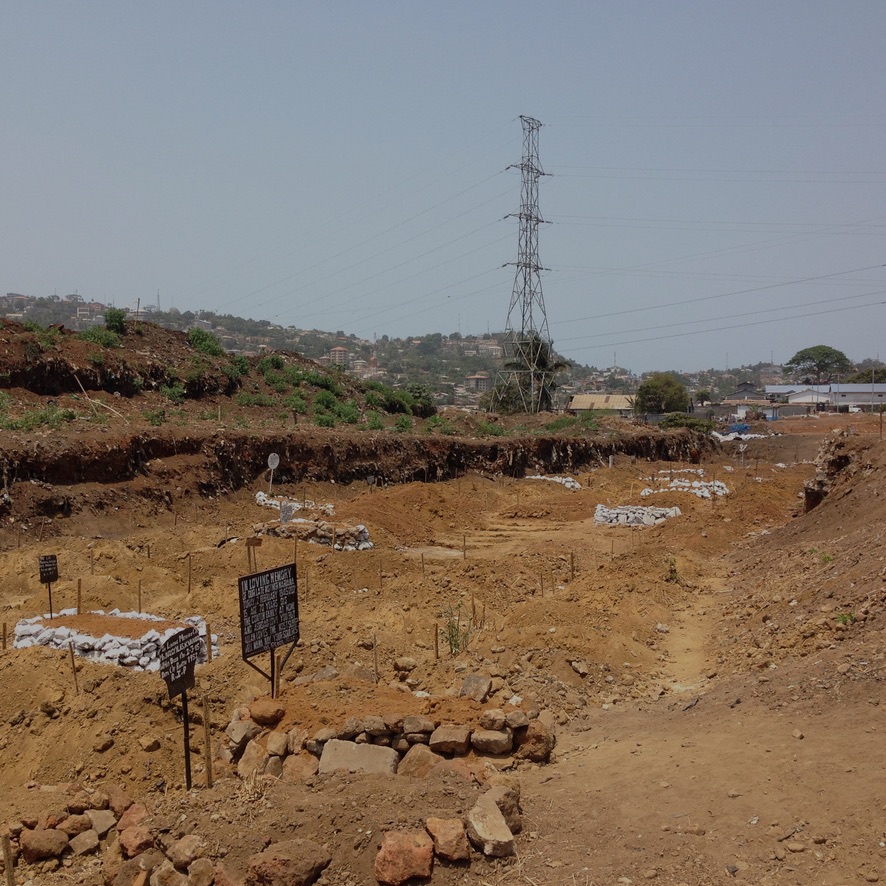
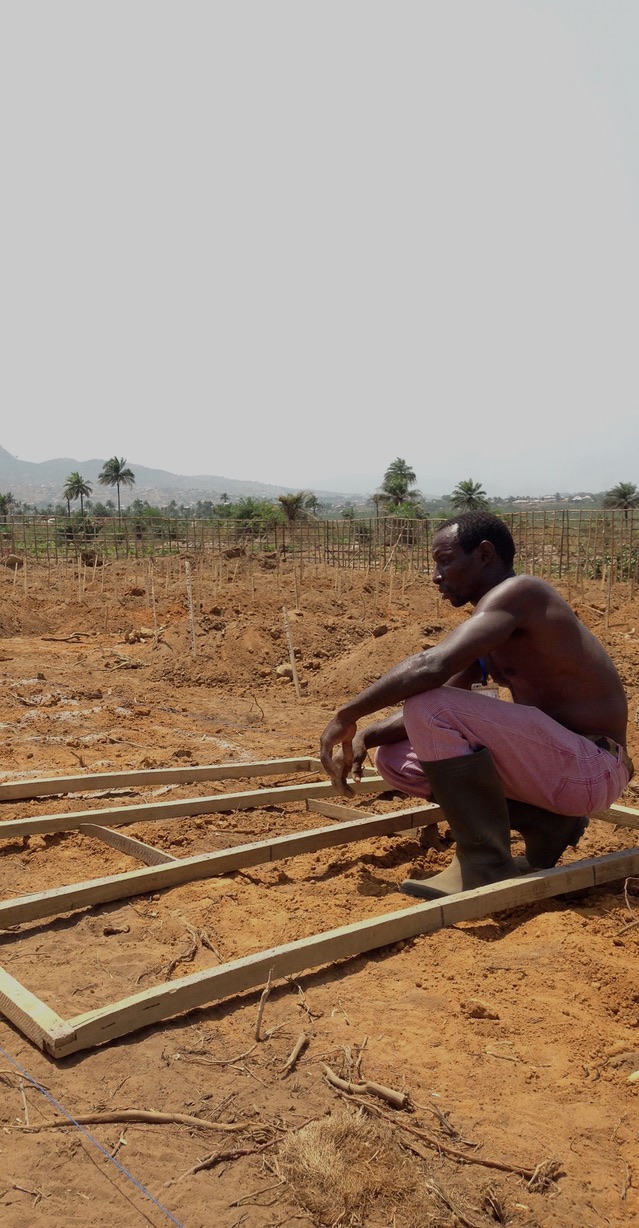
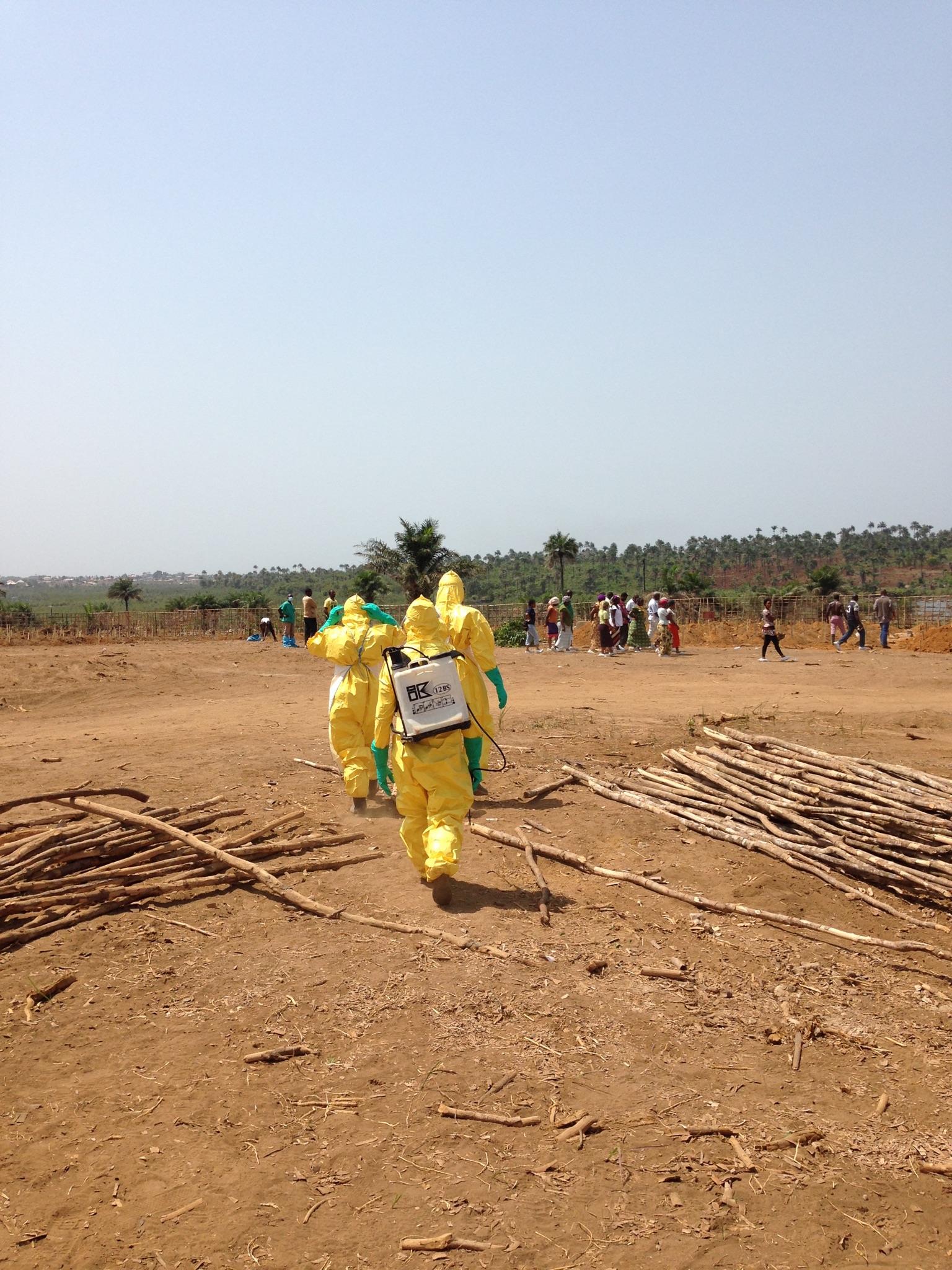
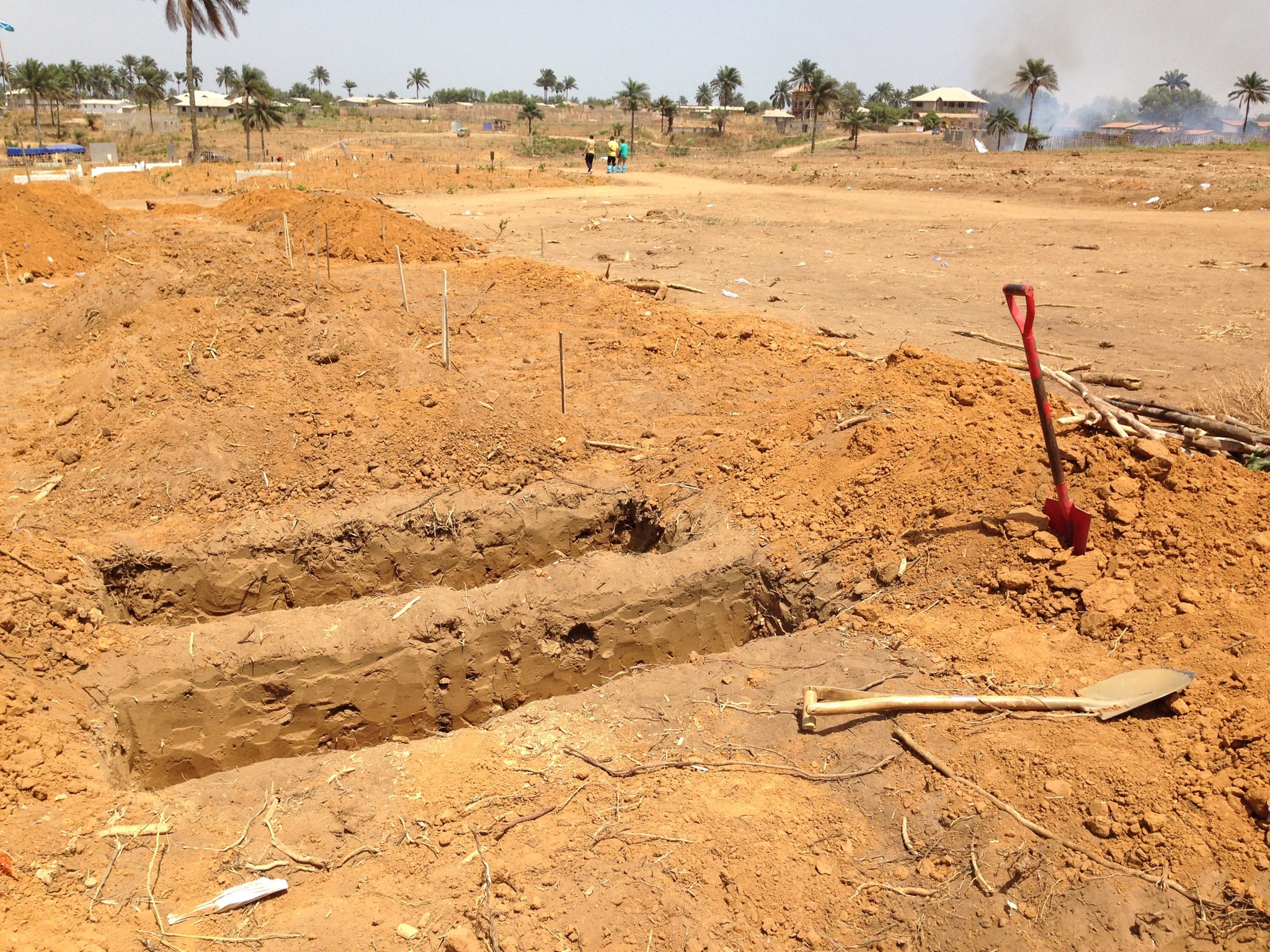
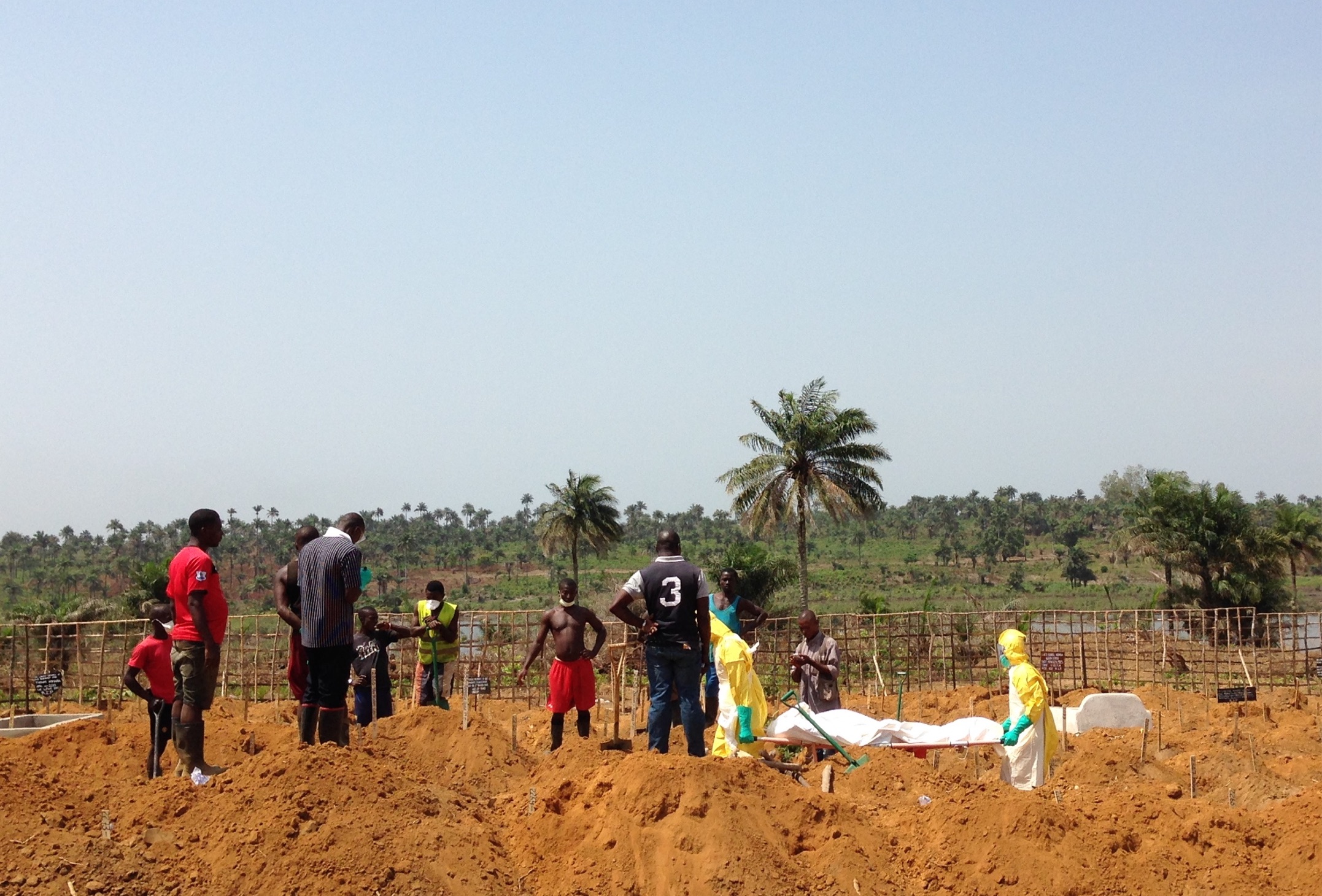
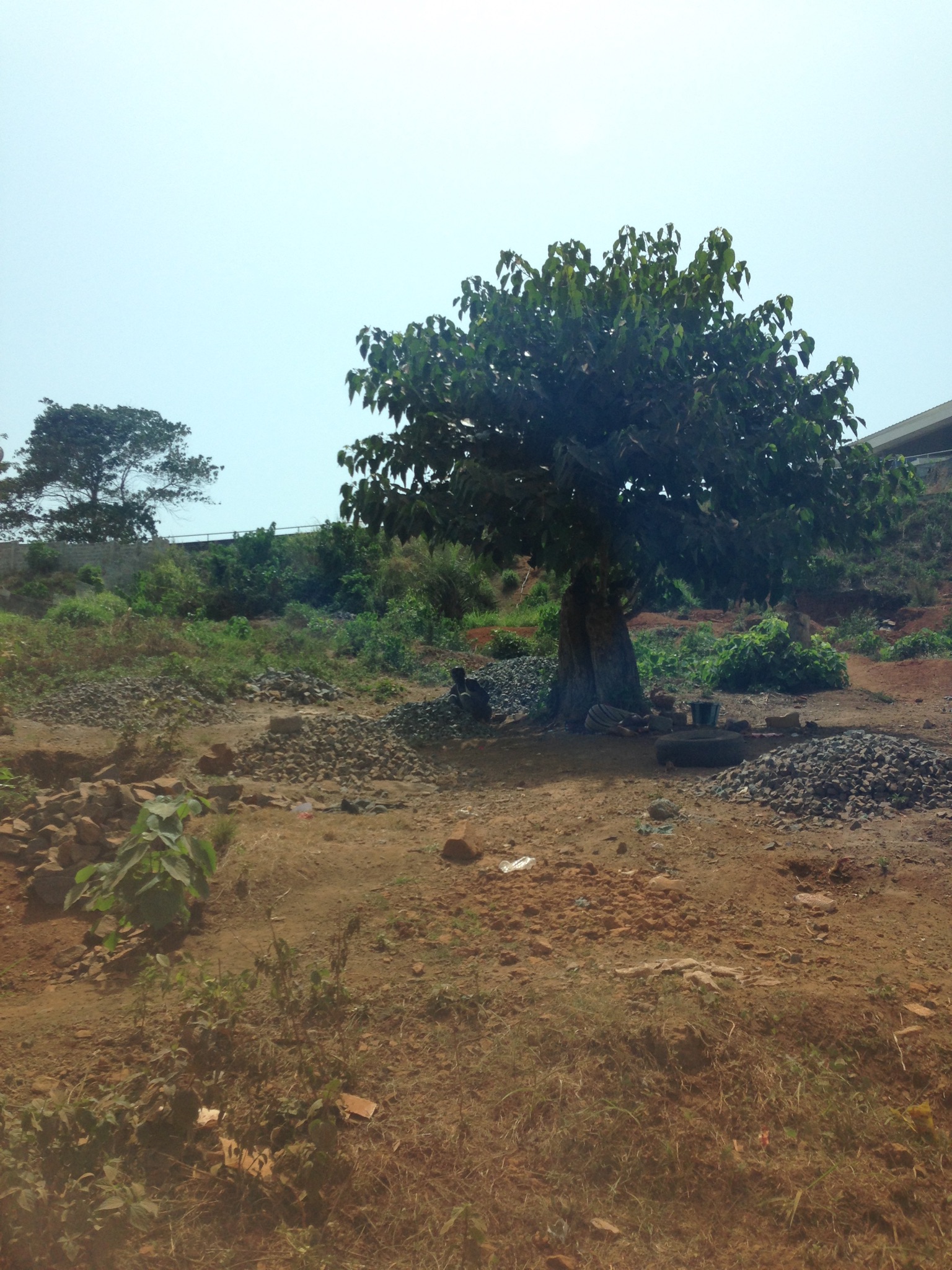
We then visited two cemeteries. The one in Freetown is full after receiving 6700 bodies. The only flat area that is not dotted with burial mounds was the site of a mass grave from the war. The great majority of deaths are not now due to Ebola but to reduce any risk of infection, every dead person is treated the same way. A swab is taken and the body is disinfected, placed in a white body bag and transported to the east of the city, and now contains 2300 graves from during the outbreak. The burial teams and gravediggers doing all of this work are still stigmatized. Some are not allowed to live at home by their families or have been deserted.
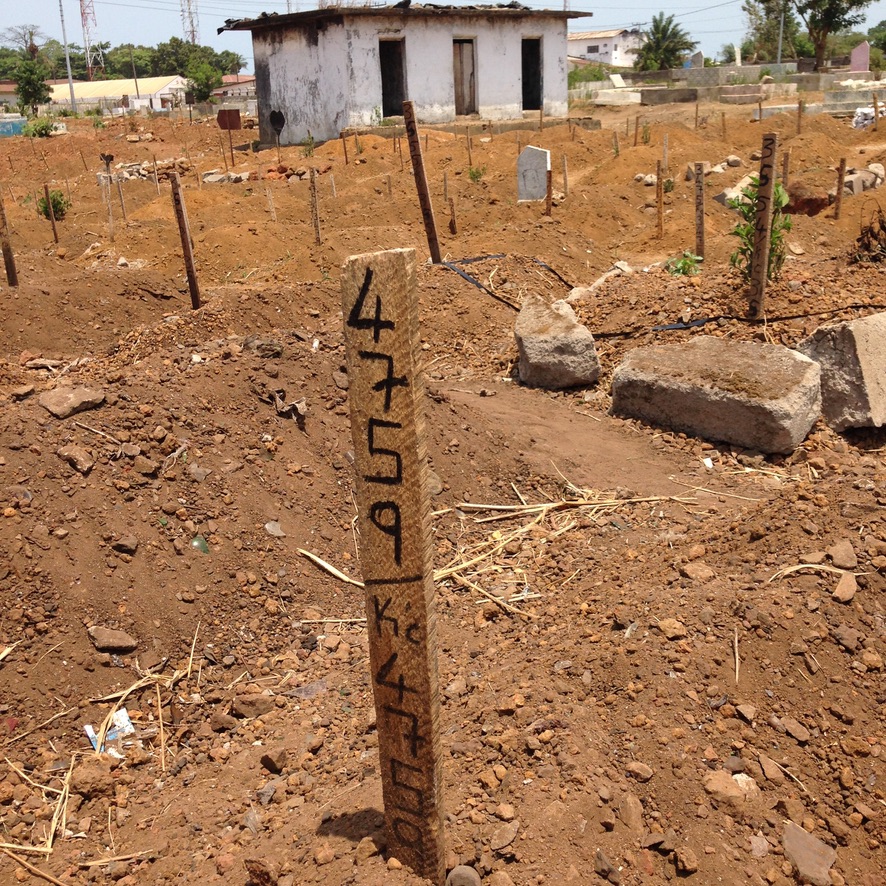
Each mound is carefully marked with a number and/ or name, so that relatives can find it. The welfare officer at the new site was visiting every family at home giving them information. Workers ensure that after being placed in the earth, bodies of those of the Moslem faith are covered in sticks and leaves, according to tradition. We watched the burial of four persons with some families in attendance. This was a moving experience and brought home the immensity of the loss of people during this outbreak.
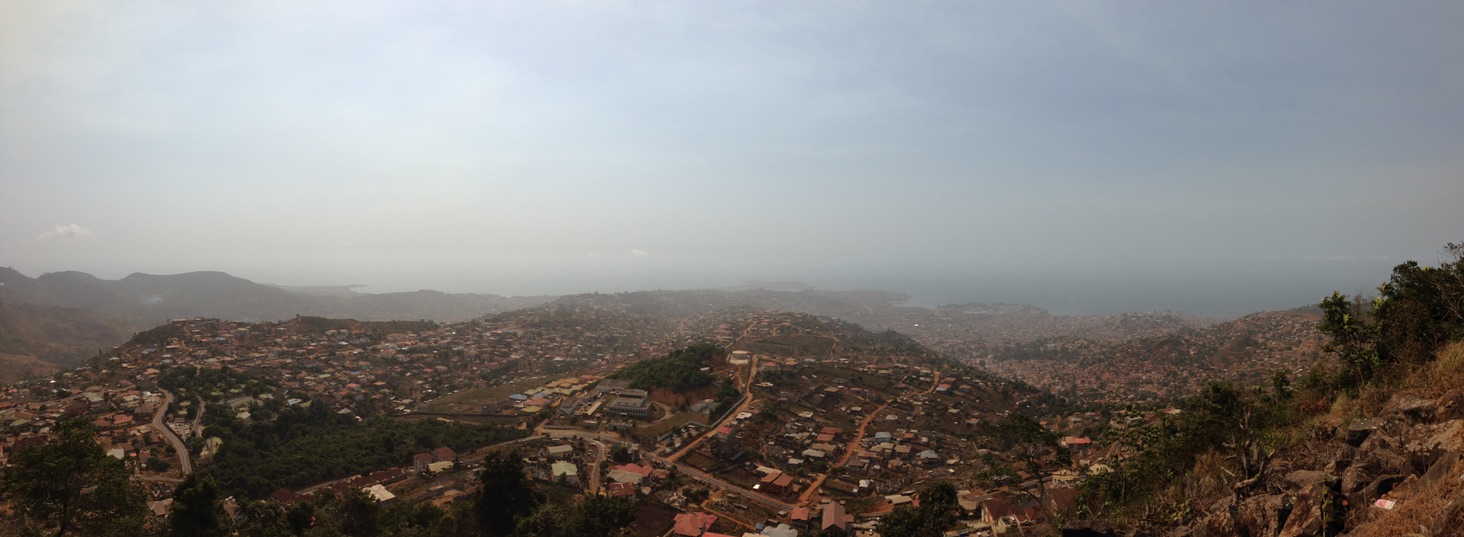
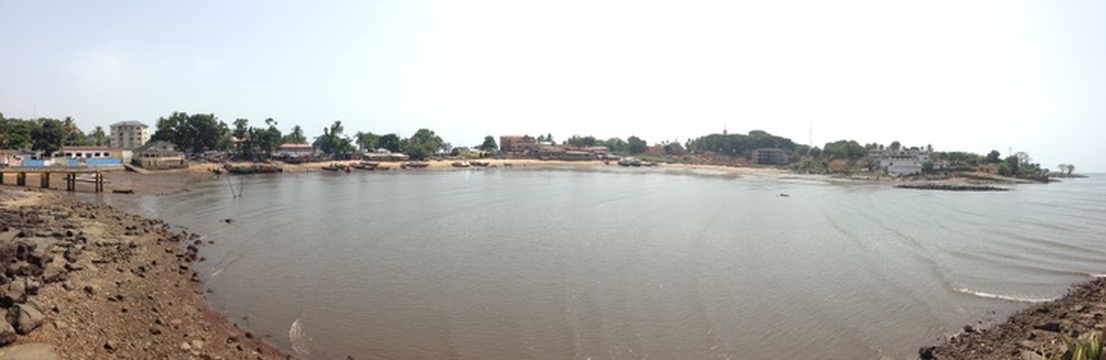
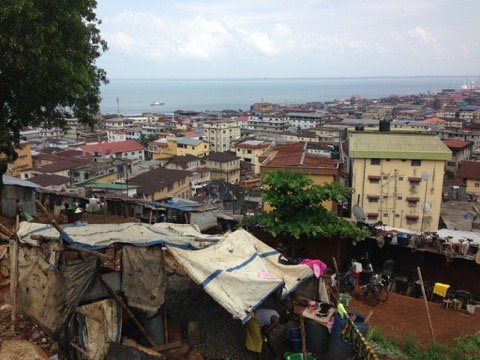
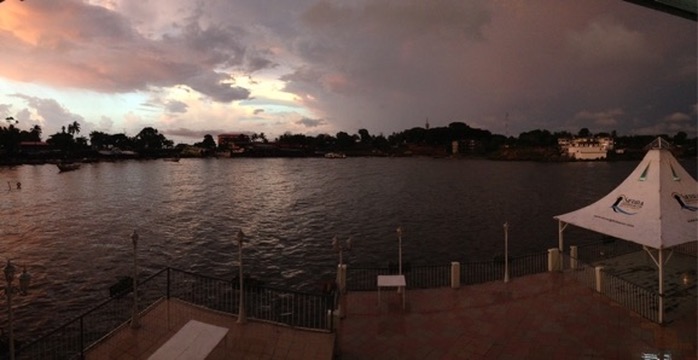
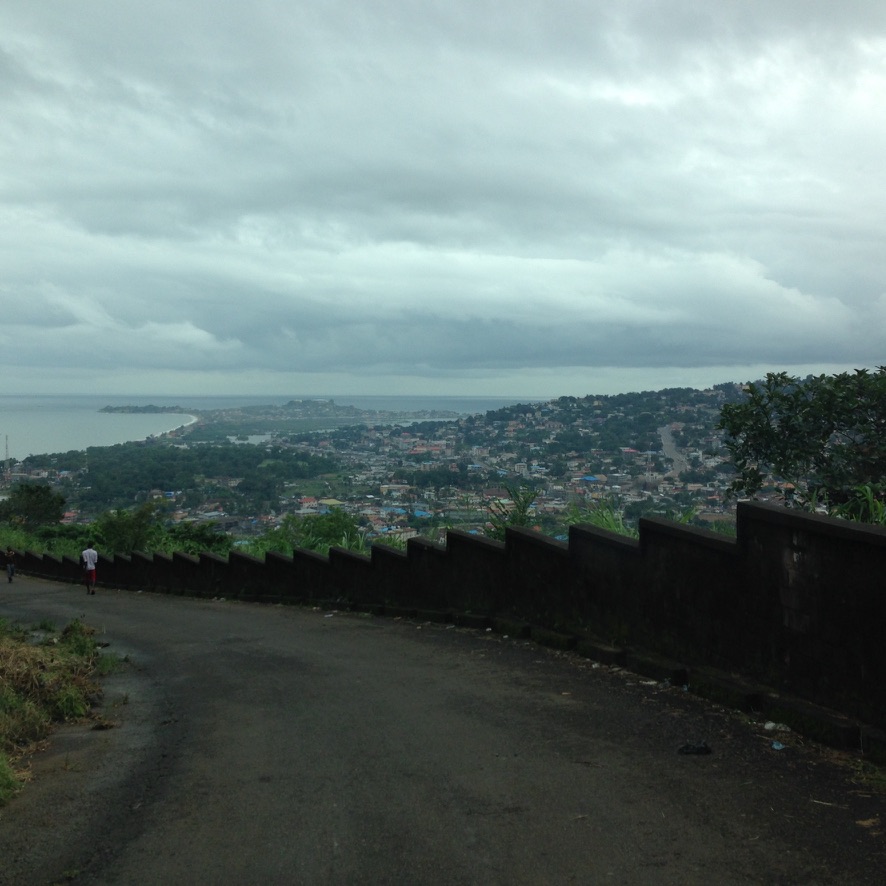
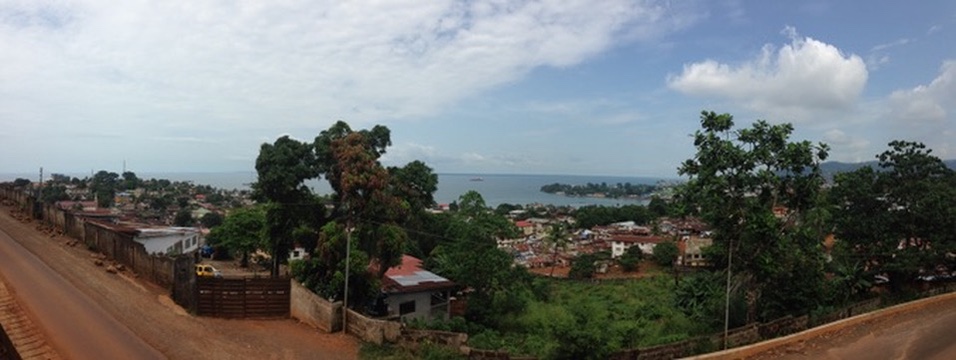
We ended the afternoon with an expansive view of Freetown. This City and country experienced a devastating war, which ended 13 years ago, of which I heard some harrowing tales from someone who was here during the hostilities. Memories must be long, and Ebola is testing them again. I hope that with meaningful support, this country can succeed and build an equitable safe, equal and healthy society in the future.