With intense efforts to locate every case and contact, the disease is slowly receding, despite persistent problems with insufficient expertise, irregular payment of staff, a lack of fuel in outlying districts and challenges in data management. Thursday marked the first day with 0 reported cases since the start of the outbreak here last May. This is likely to change, however, as last week there were still 4449 contacts being followed, some of which can be expected to develop the disease within the 21 days of monitoring.
Guinea to the north and east is now reporting more cases than Sierra Leone. This is a concern for Sierra Leone, as most cases are occurring near the border. Liberia had reported its last case, but another appeared yesterday.
As the push toward zero is promoted, the sense of relief will turn to frustration when there is an inevitable trickle of cases at the end. The Presidents of the three affected West African countries signed the Mano River Declaration, pledging zero transmission by April 18th, 2015. I was told that political, business, and military interests are the stimulus of the national “campaign” to get to zero.
Looking forward, I represented WHO at a meeting between partners and a delegation from ECOWAS consulting on priorities for assistance to rebuild the economy and health infrastructure. WHO’s main area of concentration, however, continues to be on the outbreak.
Schools may re-open soon, but those used as Ebola isolation and treatment centres must be decontaminated. An interesting outcome of the resistance of Chiefs in the Northern Districts to colonial rule in the 19th century is the greater number of schools in the south, which, for a long time, translated into higher rates of literacy.
Non-Ebola reports: no water the other morning. I was told later to follow the edict of WWYC – wash while you can…. Power outages are common and then generators kick in. That happens regularly throughout the day. Both running water and power should never be taken for granted!
Image and sounds:
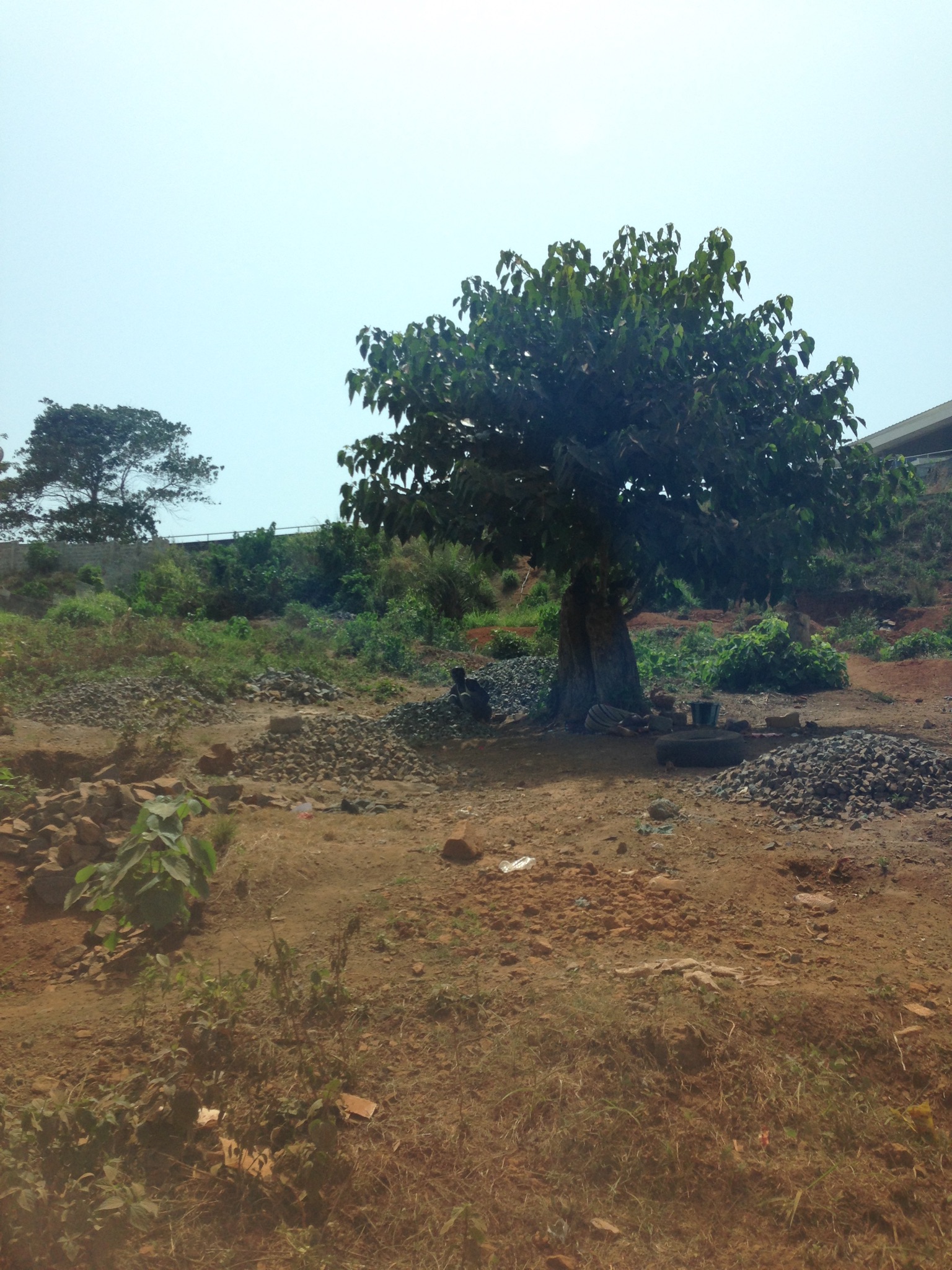
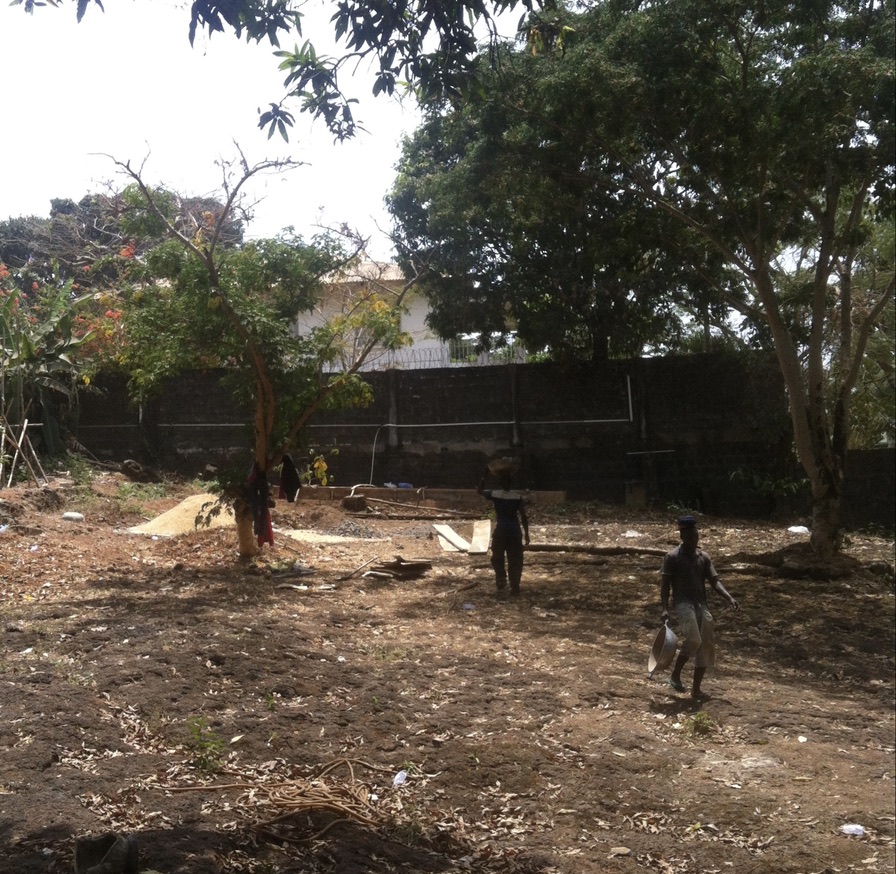
Breaking rocks into increasingly small sizes, by hand with a hammer; gravel has to come from somewhere. The product is then carried on the head as for everything else.
Celine Dion is popular and unavoidable!